Burnout Prevention
Authors: Emma Thommason, Kim Brice, and Natalia Martín Cantero
Stress is an essential part of everyday life. We shouldn’t rush to diagnose burnout and we should remember that there are healthy and unhealthy levels of stress. Sometimes it can be helpful to reframe “stress” as excitement, motivation and even joy: after all, most of us went into this profession because it is our vocation and we love the sense of purpose and accomplishment it gives us. But that’s also precisely why stress awareness and burnout prevention are so important to learn to sustain ourselves and our teams and by default the quality of our work.
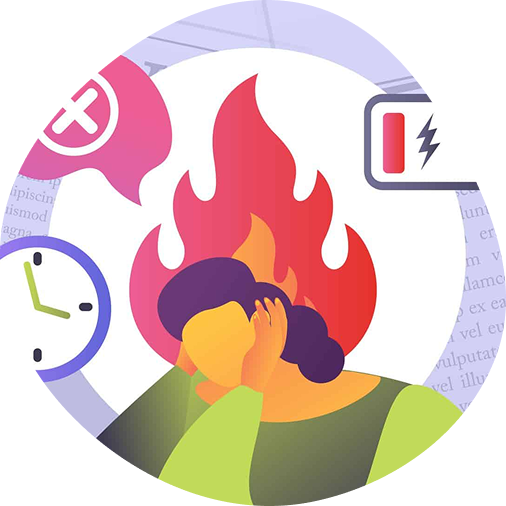
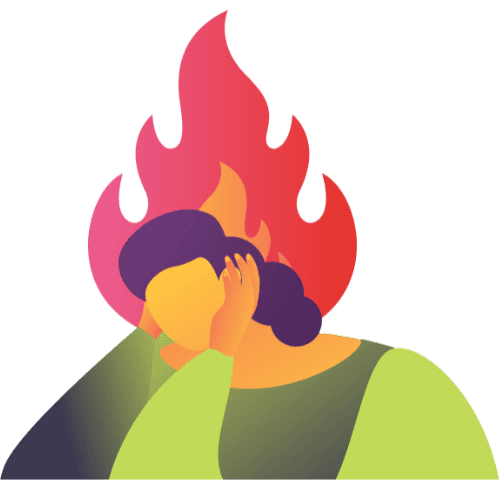
Stress is a normal response to people, places and situations in our personal or professional lives that feel threatening or beyond our abilities to manage, whether they’re true or imagined. Our stress levels oscillate constantly throughout the day, and for some of us, if they remain high for too long, they cause distress that can make us feel burnt out. Burnout, however, is a syndrome resulting from chronic workplace stress that has gone unmanaged for many months leading to a highly dysregulated nervous system.
According to the World Health Organization, typical symptoms of burnout include:
- Chronic fatigue and physical and emotional exhaustion
- Resentment, cynicism and detachment from one’s job or other activities that once felt important and fulfilling
- A sense of incompetence or hopelessness: a lack of accomplishment and feeling ineffective at work or as if you have lost control of your professional and personal life.
A healthy environment is created when the work atmosphere is based on happiness and the well-being of everyone, while maintaining a good level of productivity. It’s when, in the workplace, you can talk about personal mental health matters without being stigmatized. It’s when you can set boundaries if you feel your work might lead you into a burnout process.

Top factors that lead to burnout
- Unfair treatment at work
- Unmanageable workload
- Unreasonable time pressure
- Lack of role clarity
- Lack of communication and support from manager
Note: in reality, symptoms of burnout can also be aggravated by stressors we encounter in our private lives. That’s because we bring our whole selves to work. What goes on in our personal lives impacts how we feel and perform in our professional lives.

Fact-checkers in particular face an additional set of challenges that can exacerbate the risk of burnout or lead to an array of mental health challenges such as depression or post-traumatic stress disorder:
- High exposure to violence. Looking at disturbing images can trigger vicarious trauma and moral injury, two topics discussed later in this toolkit.
- Emotionally complex stories - fact-checkers are often engaged in the most contentious issues or topics of the day.
- Social media exposure - continually trawling the darkest side of the Internet can erode your faith in humanity.
Burnout Prevention: Listen To Your Body’s Warning Signs
Consider these signals an internal alarm system. It’s the body’s way of letting you know that it’s imperative to create regular recovery time at and outside of work in order to replenish your energy reserves and prevent burnout.
If you’re concerned about your physical or mental health and struggling to make the changes you need or want to make, don’t keep it to yourself. Speak with a colleague or your boss, or a health professional or find out what support is available through your company.
- Sleeping disorders
- Uncharacteristically intense emotional reactions (anger, sadness, anxiety)
- Changes in behavior (eating, alcohol consumption, relating to others)
- Decline in work performance
- Avoidance and social withdrawal
- Agitation and restlessness
- Decline in mood
- Difficulty concentrating or focusing
- DID YOU KNOW?

At least one in five have reported depression.

Levels of post-traumatic stress disorder (PTSD) and burnout are on the rise.
- A 10-country survey shows that managers have just as much of an impact on people’s mental health as their spouse (both 69%) — and even more of an impact than their doctor (51%) or therapist (41%).
- This survey shows that 82% of managers regularly finish work feeling mentally and/or physically exhausted and 59% are unable to relax or pause activity.
- Tips for Individuals
The first step to avoiding burnout is to focus on one’s selfpreservation in order to be at your best for yourself and your team. Everyone at an organization, from executives to individual fact-checkers, has an opportunity and a duty of care to set boundaries with themselves and others to prevent burnout.
Key strategies are finding ways to calibrate our levels of effort during our work day and making time to nurture other parts of ourselves outside of work with activities that bring us joy, calm and positivity: time with family and friends, time alone, hobbies, leisure time, exercise or spiritual practices, just to name a few.
Here are a few tips from our cohorts:
- Set blocks of meeting-free time in your schedule.
- Include more micro and medium size breaks in your working day and block them in the calendar. Breaks of a few minutes here and there and a proper lunch break can go a long way. “I commit to not do back to back meetings and schedule breaks,” one participant said.
- At the same time, watch out for “fake rests,” where we stop working but we continue thinking about the work problem and the brain continues in alert mode. One simple example is having a coffee while continuing to think about work.
- Self-awareness: be alert to signals that you are over your limit, be that irritability, insomnia or headaches and take action to calibrate your effort levels accordingly.
- Exercise or just move regularly.
- Practice mindfulness.
- If working from home, wear different clothes when you’re working, and change once you’re finished working. It also helps to separate your work area away from your bedroom.
- Tips for Managers
Good managers have high standards and care about their teams, but that often means that they don’t pay enough attention to their own mental health. And the fact managers push themselves so hard, means they often demand the same of their teams, creating unforgiving expectations and unhealthy workplace cultures. Managers can begin by:
- Normalizing conversations about mental health and knowing how your team members are really feeling, by making regular check-ins part of team meetings and holding more regular 1-on-1s.
- Demonstrate healthier work routines by modeling self-care for their teams and for themselves.
- Systematizing healthier work routines that enable taking breaks from work. These include basic digital health awareness and education as well as team communication principles that make it possible for the team to disconnect during the day and especially outside of work hours and during vacation time.
- Creating regular spaces for informal and collegial chats with and among team members.
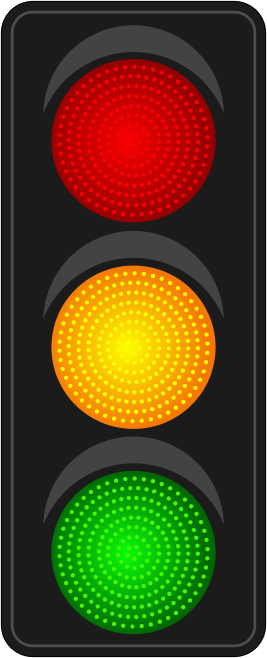
The traffic light check-in
At The Self-Investigation, we like to start our meetings with a simple traffic light. Each team member lets everyone else know where they stand:
- Red for high stress
- Yellow for somewhere in between
- Green for low stress
It’s a simple way to check-in, help normalize that we might be having different emotional experiences, and help managers know how to calibrate their own response during a meeting.
- Mental Health in Action
I made it clear that I was out of the office for annual leave as I felt more comfortable about setting a boundary and communicating to the team that it is normal to take a break. It helped me to switch off better, and I also received fewer non-urgent requests.

Sophie Nicholson
Deputy Editor in Chief, Digital Investigation, AFP
I like to promote “Leaving Loudly”: If I work overtime one day, the next day I might go for a run during working time and I won’t do it in a hidden way.

Jency Jacob
Managing Editor, BOOM Live
- Additional Resources
Burnout in Journalism (Headlines Network)
A detailed guide for journalists and newsrooms to recognise burnout, mitigate against it and support those affected. It includes resources for before, during and after the experience of burnout.
Navigating burnout as a journalist (American Press Institute)
A “starter pack” for journalists to begin addressing burnout, both as individuals and as managers, with visualizations about stress first aid and emotional granularity.
Mental Health, Self-care and Resilience in Journalism (Bonn Institute)
A look at job-related stress and mental health issues in journalism. Explore tools and strategies for stress prevention and mitigation, and access practical resources for self-care and constructive journalism.
A series of useful tips for running effective one-on-one meetings as a manager, supporting both mental health and overall workplace performance.
Free resources from Canada Life to help managers identify and prevent employee burnout.
- Books
Ready for a deeper dive? The Self-Investigation recommends the following books on this topic:
The Burnout Challenge: Managing People’s Relationships with Their Jobs, by Christina Maslach and Michael P. Leiter
This book looks at self-care beyond the surface level: it’s is an internal, self-reflective process that involves making difficult decisions in line with our values, and when we practice it, we shift our relationships, our workplaces, and even our broken systems.
Real Self-Care, by Pooja Lakshmin, MD
This book looks at self-care beyond the surface level: it’s an internal, self-reflective process that involves making difficult decisions in line with our values, and when we practice it, we shift our relationships, our workplaces, and even our broken systems.
The Burnout Book, by Emily Nagoski, PhD and Amelia Nagoski, DMA
This book explains why women experience burnout differently than men—and provides a roadmap to minimizing stress, managing emotions, and living more joyfully.
- The Self-Investigation Academy
Videos from the Mental Health in Journalism Summit
- Does Constructive Journalism Protect Us from Burnout and Depression? by Franziska Ritter, Sara Schurmann, Margarida Alpuim, and Hans Henrik Knoop
- Prioritizing Self-Care: Tools to Combat Burnout and Stress for Journalists, by Lara Ayoub
A unique self-paced online training to support you in making wellbeing a priority
Credits
This guide was developed collaboratively by The SelfInvestigation team, based on trainings led by Kim Brice and Aldara Martitegui. The Mental Health Leadership Toolkit for Fact-Checkers was developed with generous support from the International Fact-Checking Network.
Authors: Emma Thommason, Kim Brice, Natalia Martín Cantero
Spanish Translation: Natalia Martín Cantero
Editors: A.X. Mina, Mar Cabra
Design: Mariam Mamdouh, Paula Montañà
Illustrations: Diana Cuéllar